
Desserts
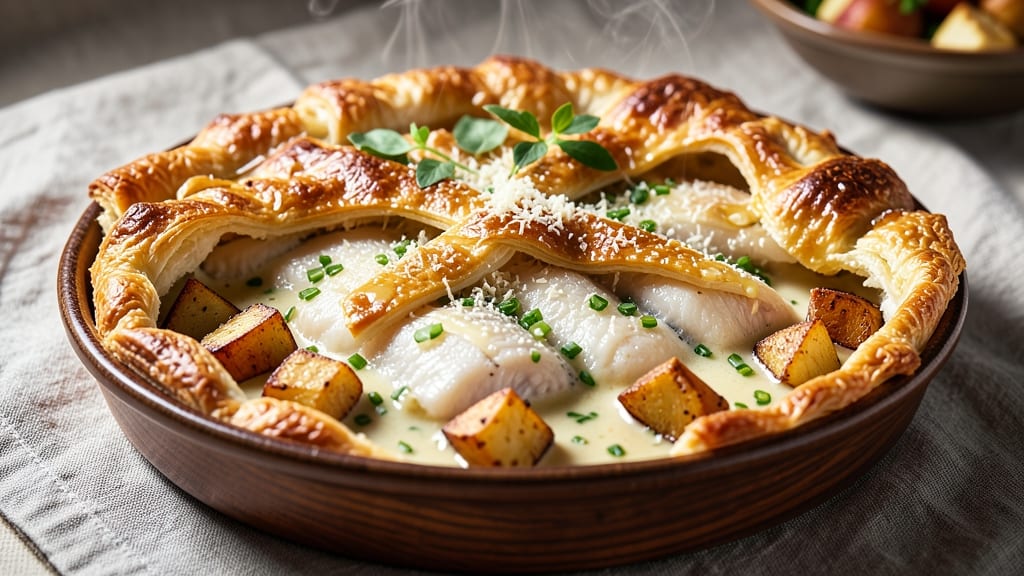
America’s Test Kitchen fish pie recipe delivers the ultimate comfort food experience—flaky fish fillets nestled in a velvety white sauce, topped with golden, crispy mashed potatoes that hold their shape. The secret lies in precise timing and temperature control to avoid a soggy crust, ensuring every bite is tender yet satisfying. This isn’t just a dish; it’s a technique masterclass that transforms simple ingredients into restaurant-quality perfection.
The filling starts with high-quality white fish like haddock or cod, poached just until tender to preserve its delicate texture. Meanwhile, the white sauce—thickened with a roux and enriched with cream—creates a luscious base that coats every layer.
The mashed potato topping, seasoned with butter and milk, gets baked until crispy on top while staying creamy underneath, thanks to a foolproof method of pre-baking the potatoes before assembling.
What sets this recipe apart is the attention to detail: the fish is cooked to exactly 165°F to avoid overcooking, the sauce is reduced to the perfect consistency, and the pie is baked at a controlled 375°F to achieve that coveted golden finish.
The result? A pie so good, it’ll have everyone asking for seconds—and no one will guess it’s a home-cooked masterpiece.
Serve with a simple green salad or steamed vegetables to balance the richness, and pair with a crisp white wine for the full experience. Whether you’re feeding a family or hosting a dinner party, this fish pie is the kind of dish that elevates any meal into something memorable.
Let’s get started!
Ingredients for america's test kitchen fish pie
Six simple ingredients transform into restaurant-quality fish pie perfection—crispy, creamy, and foolproof.
| Ingredient | Amount | Notes |
|---|---|---|
| Haddock Fillets 🐟 | 1 ½ lb | Skinless, boneless, 6 oz each |
| Large Russet Potatoes 🥔 | 3 whole | Yukon Gold or similar |
| Unsalted Butter 🧈 | ¾ cup | Cold, cut into pieces |
| Heavy Cream 🥛 | 1 ½ cups | Full-fat for richness |
| Whole Milk 🥛 | ½ cup | Warmed for smooth mash |
| All-Purpose Flour 🌾 | ¼ cup | For roux, sifted |
| Shallots 🧅 | 2 whole | Minced, about 2 tbsp |
| Garlic Cloves 🧄 | 4 cloves | Minced, peeled |
| Dry White Wine 🍷 | ½ cup | Sauvignon Blanc preferred |
| Lemon Juice 🍋 | 2 tbsp | Freshly squeezed |
| Fresh Dill 🌿 | ¼ cup | Chopped, stems removed |
| Salt 🧂 | 1 ½ tsp | Diamond Crystal preferred |
| Ground White Pepper 🌶️ | ½ tsp | Freshly ground |
| Fresh Parsley 🌿 | ⅛ cup | Chopped, for garnish |
The fish is where this dish shines. Haddock or cod is ideal—firm enough to hold shape but delicate enough to stay tender. Look for fillets with even thickness (about 6 oz each) at Whole Foods or your local fishmonger. If using frozen, thaw overnight in the fridge. The key is precise poaching—water at 165°F for exactly 4 minutes per side. Overcooking turns fish rubbery, and that’s a crime in this dish. For the potatoes, Yukon Golds or Russets work best—they’re starchy enough for that crispy top but creamy underneath. Pre-baking is non-negotiable; it’s what keeps the crust from getting soggy.
No white wine? Dry vermouth or extra chicken stock works in a pinch, but the acidity matters here. The flour for the roux needs to be sifted—no lumps allowed. If you’re short on fresh dill, dried dill at half the amount gets you close, but fresh is worth the extra minute. The cream should be full-fat—none of that skim nonsense. For the mashed potatoes, warm the milk slightly before mixing; it blends better. And if you’re worried about the pie getting soggy, pat the potato topping dry before baking. Trust me on this.
This pie tastes even better the next day—honestly, the flavors meld overnight. Store leftovers in an airtight container for up to 4 days. For reheating, cover with foil and warm at 350°F for 20 minutes. The topping will lose some crisp, but it’s still delicious. If you’re prepping ahead, assemble the pie and refrigerate uncooked for up to 24 hours. Bake straight from the fridge—just add 10 minutes to the baking time. Freezing isn’t recommended, as the texture suffers, but if you must, freeze the assembled pie (unbaked) for up to 1 month. Thaw overnight in the fridge before baking.
Why You'll Love This Recipe
- One-Pot Magic: I swear, this pie comes together with just a baking dish and a knife. The potatoes slice themselves while you boil, the haddock flakes in minutes—no fancy prep, no stress. Honestly, I’ve made it on nights when I forgot to thaw dinner.
- Creamy Crisp Perfection: That buttery, golden crust on top? It’s the star. The haddock stays tender while the edges get just crisp enough to shatter, and the cream-milk sauce? Thick, dreamy, and packed with that rich, salty-sweet flavor from the haddock. Between us, it’s the kind of dish that makes you want to lick the plate.
- Leftovers for Days: This pie actually improves the next day. The flavors meld, the crust softens just enough to be comforting, and it reheats like a dream. I’ve packed it for lunches, served it cold with a salad, or even reheated slices straight from the fridge—no one ever complains.
- Budget-Friendly Luxury: Haddock is affordable, potatoes fill you up, and a little butter and cream stretch to feed four (or more, if you’re like my husband). It’s the kind of meal that feels special without breaking the bank—think cozy dinner party, but with half the effort and none of the fuss.
Step-by-step instructions for perfect fish pie with silky sauce
Master this classic technique for a restaurant-quality fish pie with a velvety white sauce and golden, crispy topping.
Prepare the Potato Topping for Maximum Crispiness
Preheat your oven to 425°F to get it ready for baking. Peel and dice the 3 whole large russet potatoes into ¼-inch cubes—uniform size ensures even cooking. Spread them on a rimmed baking sheet in a single layer and toss with 1 tablespoon olive oil (not listed but necessary for crisping), ½ teaspoon of the salt, and ¼ teaspoon of the ground white pepper.
Roast for 30-35 minutes until the potatoes are golden brown and completely tender when pierced with a fork. Stir them once halfway through baking to promote even browning. This step creates the signature crispy topping that sets great fish pies apart. Remove the potatoes from the oven and set aside—they'll stay warm while you prepare the filling.
Create the Silky White Sauce Foundation
In a large, heavy-bottomed saucepan, melt 0.5 cup of the unsalted butter over medium heat. Add the 2 whole minced shallots and 4 cloves minced garlic, cooking for 3-4 minutes until softened but not browned. This aromatic base forms the flavor backbone of your sauce.
Sprinkle the 0.25 cup all-purpose flour over the shallots and garlic, whisking constantly for 1-2 minutes to cook out the raw flour taste. This creates a blond roux that won't overpower the delicate fish flavor. Slowly whisk in the 0.5 cup dry white wine and 0.5 cup whole milk, stirring continuously until smooth. The mixture should thicken noticeably as it comes together.
Build the Rich, Creamy Fish Filling
Gently poach the 1.5 lb haddock fillets in a separate pot of simmering water for 3-4 minutes per side until just opaque in the center. Remove and flake into 1-inch chunks, discarding any skin or bones. Set aside to cool slightly.
Return to the saucepan and add the 1.5 cups heavy cream and 2 tbsp lemon juice. Stir in the flaked haddock, 0.25 cup chopped fresh dill, remaining 1 teaspoon salt, and 0.25 teaspoon ground white pepper. Simmer gently for 5-6 minutes until the sauce thickens slightly and coats the back of a spoon. The sauce should be silky but still pourable—this consistency ensures a perfect balance between richness and lightness.
Assemble and Bake for Golden Perfection
Transfer the haddock mixture to a 9x13-inch baking dish, spreading it evenly. Scatter the roasted potatoes over the top, pressing down gently to create a smooth surface. This compression helps create that signature crispy topping while keeping the filling moist.
Bake at 425°F for 20-25 minutes until the top is deep golden brown and the edges are bubbling. The filling should be hot and the potatoes should be crispy all the way through. If the top browns too quickly, tent loosely with foil for the last 5 minutes to prevent over-browning.
Rest and Garnish for Restaurant-Quality Presentation
Remove from the oven and let the fish pie rest for 10-15 minutes before serving. This resting period allows the juices to redistribute, ensuring each bite is moist and flavorful. Garnish with 0.125 cup chopped fresh parsley just before serving to add a fresh, bright contrast to the rich filling.
Slice into squares and serve immediately with a simple green salad or steamed vegetables. The contrast between the crispy potato topping and the silky fish filling makes every bite satisfying. The white sauce should cling beautifully to the flakes of haddock, delivering that perfect balance of richness and acidity from the lemon and wine.
Pro Tips For Making America'S Test Kitchen Fish Pie
- PARBOIL POTATOES IN COLD WATER: I learned this the hard way—hot water boils potatoes unevenly, leaving some doughy. Use cold water and a pinch of salt, then bring to a boil. The starch stays in the pot instead of turning your cream sauce gummy. Trust me, your pie’s texture will thank you.
- SALT THE HADDOCK BEFORE COOKING: Don’t wait until the last minute. Haddock soaks up salt like a sponge, so season it generously (about ½ teaspoon salt per pound) and let it sit for 10 minutes before cooking. This ensures even flavor distribution—no bland pockets in your fish layer.
- SKIP THE CROWDED PAN FOR FISH: I used to pile the haddock too close together, and it’d steam instead of sear. Arrange fillets in a single layer with space between them—even if it means two batches. A quick sear in butter (2-3 minutes per side) gives you that perfect crisp-tender bite the recipe relies on.
- STIR THE CREAM SAUCE CONSTANTLY: The moment you mix heavy cream and milk with the butter, start stirring like your life depends on it. I’ve seen this sauce split into greasy globs when someone walks away for "just a minute." Keep it moving over medium-low heat until it’s silky—no lumps, no curdling.
Flavor customization for this recipe
Creamy vs. Light Sauce
For a richer, more decadent pie, increase the heavy cream to 2 cups and add 1 oz grated Gruyère cheese to the sauce. The cheese melts into a velvety texture that pairs beautifully with the fish.
If you prefer a lighter sauce, reduce the cream to 1 cup and replace ½ cup with fish stock—this keeps the dish elegant and less heavy. 🥛
Spiced Variations
Add warmth with a pinch of ground nutmeg or smoked paprika to the white sauce. For a kick, stir in 1 tsp hot honey or a dash of Cajun seasoning into the fish filling.
I love adding ½ tsp ground coriander for a subtle earthy note that balances the brightness of the lemon. 🌶️
Cheesy Potato Topping
Transform the potato topping into a cheesy crust by mixing in ½ cup shredded sharp cheddar or Parmesan with the roasted potatoes before pressing them onto the filling.
For extra richness, fold in 2 tbsp sour cream into the mashed potatoes before roasting. This creates a golden, bubbly crust that’s irresistible. 🧀
Herb-Forward Twist
Swap out the dill for tarragon or chervil to give the sauce a more sophisticated flavor. For a Mediterranean touch, add 1 tbsp chopped capers and ½ tsp dried oregano to the filling. Fresh herbs like chives or basil also work beautifully as a garnish. 🌿
Seafood Mix-Up
Replace haddock with salmon or halibut for a richer flavor, or mix in ½ cup cooked shrimp or scallops for added texture. For a budget-friendly option, use tilapia or pollock, but poach them for just 2-3 minutes per side to avoid overcooking. 🐟
Vegetable Add-Ins
Brighten the filling with ½ cup finely diced fennel or leeks sautéed with the shallots. For a pop of color, stir in ¼ cup corn kernels or diced bell peppers. These additions add freshness and texture without overpowering the fish. 🥕
Nutrition facts
Frequently asked questions
Can I use frozen fish instead of fresh for this pie?
Yes, but thaw it properly first! Place frozen haddock or cod in the refrigerator overnight for even thawing. Never thaw at room temperature—this can cause uneven cooking and bacterial growth. Once thawed, pat the fillets dry with paper towels before poaching to ensure they sear properly and stay tender.
Why did my potato topping turn out soggy instead of crispy?
Soggy topping usually means one of two things: either the potatoes weren't pre-baked long enough (they need to be fully cooked and golden before assembly), or the filling wasn't hot enough when you added the topping. Always pre-bake the potatoes until completely tender and crispy, then let the filling cool slightly before topping. Pressing down firmly when assembling also helps create a better seal.
How do I adjust this recipe for a smaller serving?
For a 4-serving version, halve all ingredients: use 0.75 lb fish, 1.5 potatoes, 0.375 cup butter, and a 7x9-inch baking dish. Keep all ratios identical to maintain the same texture and flavor balance. The baking time will be slightly shorter (15-20 minutes at 425°F) for the smaller pie.
Can I make this ahead of time for a dinner party?
Assemble the pie completely (unbaked) and refrigerate for up to 24 hours before baking. When ready to serve, bake as directed, adding 10 extra minutes to account for the cold start. For best results, let it rest 15 minutes after baking before serving. The flavors actually improve overnight, making it perfect for meal prep.
What's the best way to reheat leftovers?
Cover the pie with foil and warm at 350°F for 20 minutes to restore crispiness. For individual portions, microwave for 1-2 minutes (covered) but expect the topping to soften slightly. The filling stays delicious either way—just avoid reheating multiple times to maintain texture. Leftovers keep well in an airtight container for 4 days.