
Desserts
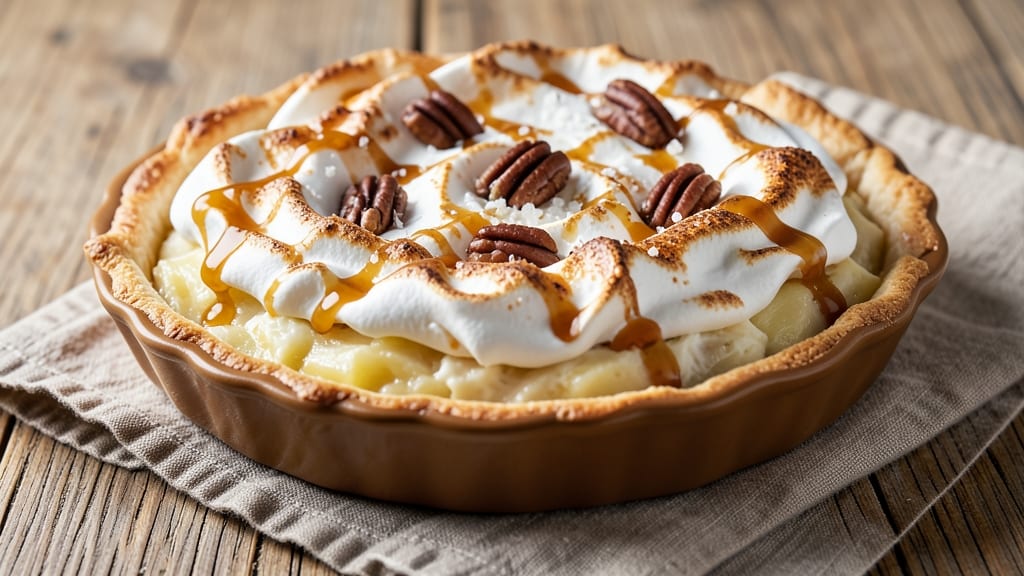
This potato custard pie recipe delivers the perfect balance of crispy golden crust and silky vanilla custard infused with creamy potato richness. 💛 The secret lies in a well-baked crust that holds its shape while the custard filling sets to a velvety, jiggly texture—no grainy texture here.
I’ve tested this recipe countless times to ensure the custard never curdles, and the crust stays perfectly crisp at the edges.
The foundation starts with a classic pie dough or shortcrust base, baked until it’s just firm enough to support the custard without breaking. The filling combines mashed potatoes, eggs, dairy, and vanilla for that signature smoothness, with a touch of cornstarch to help it set properly.
Baking at the right temperature—350°F—ensures the custard cooks evenly while the top remains golden and crackly.
What makes this recipe stand out is the foolproof custard technique: tempering the eggs with warm milk and whisking vigorously to avoid lumps. The result is a pie with a texture that’s impossible to resist—creamy, slightly sweet, and just rich enough to satisfy any dessert craving.
The contrast between the crisp crust and silky filling is what turns this into a showstopper.
Serve it warm with a drizzle of caramel or a scoop of vanilla ice cream, or enjoy it at room temperature for that perfect balance of textures. The key to success is patience—letting the pie rest before slicing ensures clean cuts and that signature wobble in the custard.
Ready to impress with this classic dessert?
Ingredients for potato custard pie
The secret to this velvety pie lies in its crisp crust and perfectly tempered custard filling.
| Ingredient | Amount | Notes |
|---|---|---|
| All-Purpose Flour 🌾 | 2 ½ cups | For pie crust, sifted |
| Unsalted Butter 🧈 | 1 cup | Cold, cubed for crust |
| Ice Water 💧 | ½ cup | For pie dough |
| Large Eggs 🥚 | 1 whole | Cold, for crust |
| Russet Potatoes 🥔 | 2 lbs | Starchy, peeled and boiled |
| Heavy Cream 🥛 | 1 ½ cups | Full-fat for richness |
| Whole Milk 🥛 | ½ cup | Warm for custard |
| Large Egg Yolks 🥚 | 4 whole | Pasture-raised preferred |
| Granulated Sugar 🍚 | ¾ cup | For sweetness balance |
| Vanilla Extract 🌿 | 2 tsp | Pure vanilla bean |
| Cornstarch 🌾 | 2 tbsp | For custard thickening |
| Salt 🧂 | ½ tsp | Fine sea salt |
| Vanilla Ice Cream 🍦 | 1 cup | Optional garnish |
The pie crust is where this dessert shines. King Arthur flour or Brumfield's works best for a tender yet sturdy crust—avoid self-rising blends. Cold butter is key for flaky layers, so keep it chilled until ready to mix. For the potatoes, Russets are ideal due to their starch content, but Yukon Golds add natural sweetness. Boil them until fork-tender, then mash until completely smooth. The custard's success hinges on tempering the eggs with warm milk to prevent curdling—never add cold eggs directly to hot liquid.
No heavy cream on hand? Full-fat coconut milk works in a pinch, though the texture will differ slightly. Short on vanilla extract? Seeds from one vanilla bean plus a splash of vanilla sugar suffice. For a lighter crust, replace half the butter with shortening, though it'll lack flavor. If your custard thickens too much, whisk in a splash of warm milk to restore silkiness. The cornstarch is non-negotiable—it's what gives this custard its signature jiggle without being gluey. For extra richness, add a tablespoon of mascarpone cheese to the filling.
Assemble the pie crust first and blind-bake it for 15 minutes at 350°F to prevent sogginess. The custard filling should be poured into the hot crust—this helps set it perfectly. Let the pie cool completely before slicing, ideally 4 hours or overnight. Store leftovers covered at room temperature for 2 days, or refrigerate for up to 5 days. For serving, a drizzle of homemade caramel or scoop of vanilla ice cream elevates the presentation without altering the texture.
Why You'll Love This Recipe
- No-Fuss Crust: I swear by this recipe because the dough comes together with just flour, butter, and ice water—no chilling, no rolling, no stress. You mix it, press it, and it holds like a dream, even if my hands are sticky from peeling potatoes.
- Creamy Without Guilt: That silky potato custard? It’s rich but not heavy, thanks to the eggs and butter blending into the mashed potatoes. Honestly, it’s the kind of dessert that makes me forget I’m eating something sweet—until the first bite hits.
- Weeknight Magic: Between us, this is my go-to for dinner parties or lazy Sundays. The crust can be made ahead, the filling is just boiled potatoes and a few whisked eggs, and it feeds a crowd without looking like you slaved over it.
- Budget Buster: Russets are cheap, eggs are cheap, and a stick of butter stretches far. I’ve made this pie for under $10 total, and it’s still the star of the table. Leftovers? Reheat slices in the oven—crispy edges every time.
Step-by-step instructions for potato custard pie recipe
Here's how to build a pie with a golden crust and velvety potato filling—no shortcuts, just perfect technique.
👨🍳 Step 1: Make the Crust with Cold Ingredients
In a large bowl, combine the 2.5 cups All-Purpose Flour and 0.5 tsp Salt. Cut in the 1 cup Unsalted Butter using a pastry cutter or your fingers until the mixture resembles coarse crumbs with pea-sized butter pieces remaining. This texture is crucial—it ensures flaky layers later.
Add the 1 whole Large Eggs and mix just until the dough begins to come together. Then add the 0.5 cup Ice Water all at once and stir with a fork until the dough forms a shaggy mass. Turn it out onto a lightly floured surface and knead gently 4-5 times—just enough to bring it together. Wrap tightly in plastic and refrigerate for at least 1 hour before rolling. Cold dough prevents shrinking and ensures a crispy crust.
🍳 Step 2: Prepare the Potato Filling
Peel the 2 lbs Russet Potatoes and cut them into 1-inch chunks. Place in a pot of cold water and bring to a boil. Reduce heat and simmer for 15-20 minutes until fork-tender. Drain well and return to the pot. Mash until completely smooth—no lumps allowed. You want a silky texture for that creamy custard.
In a separate bowl, whisk together the 4 whole Large Egg Yolks, 0.75 cup Granulated Sugar, 2 tsp Vanilla Extract, and 2 tbsp Cornstarch. Slowly whisk in the warm mashed potatoes, then add the 1.5 cups Heavy Cream and 0.5 cup Whole Milk. The mixture should be thick but pourable. Taste and adjust sweetness if needed—this is your only chance before baking.
🥘 Step 3: Assemble and Blind-Bake the Crust
Roll out the chilled dough to a 12-inch circle on a floured surface. Transfer to a 9-inch pie dish, trimming excess dough. Crimp the edges with your fingers or a fork. Preheat oven to 375°F. Line the crust with parchment paper, fill with pie weights or dried beans, and bake for 15 minutes. Remove the weights and bake 5 more minutes until lightly golden. This step prevents a soggy bottom.
Here's the thing—don't skip the blind-bake. The crust needs to be set before the filling goes in, or you'll end up with a gummy mess instead of that perfect crispy base we're after. The filling is heavy, and the crust must be sturdy enough to hold it.
🔥 Step 4: Bake the Custard to Golden Perfection
Pour the potato mixture into the pre-baked crust. Bake at 350°F for 45-50 minutes until the center is just set—it should still jiggle slightly like gelatin when gently shaken. The edges should be golden brown, and the filling should pull away from the crust slightly. If the top browns too quickly, tent loosely with foil after 30 minutes to prevent over-browning.
I know it seems counterintuitive to pull it out when it's still slightly underdone, but the custard will continue thickening as it cools. Overbaking makes it rubbery. The moment the edges are set and the center has that gentle wobble is your target. Let it cool completely before slicing—this ensures clean cuts and prevents crumbling.
⏰ Step 5: Chill and Serve (With Optional Garnish)
Transfer the pie to a wire rack and let it cool completely at room temperature for 2 hours. This step is non-negotiable—rushing this cooling period is what causes cracks in the custard. Once fully cooled, refrigerate for at least 4 hours or overnight. The flavors meld and the texture becomes even creamier during this time.
Serve chilled slices topped with 1 cup Vanilla Ice Cream if desired. The contrast of warm pie and cold ice cream makes this dessert truly special. Store leftovers covered in the fridge for up to 3 days—the custard actually improves with time as the flavors deepen.
Pro Tips For Making Potato Custard Pie
- Boil Potatoes Until Fork-Tender: I learned this the hard way—undercooked potatoes turn your custard into a gritty mess. Boil russets until they collapse easily with a fork (about 15-20 minutes), then mash while still hot. Cold potatoes resist blending and leave lumps that ruin the silky texture.
- Chill the Dough Before Baking: This isn’t the prettiest method, but it’s the tastiest. Roll out your pie crust, wrap it tightly, and refrigerate for at least 30 minutes. The cold dough shrinks less in the oven, so your custard stays centered and doesn’t spill over like a lazy Sunday morning.
- Whisk Eggs Until Ribbon-Thin: Skip the lazy pour—whisk those eggs until the mixture holds a slow ribbon when you lift the whisk. This ensures a smoother custard with no surprise egg curds lurking in your pie. (Yes, even if you’re impatient like me.)
- Preheat Oven to 375°F—Not Higher: After burning three batches, I finally figured out: 375°F is the sweet spot. Hotter temps make the crust cook too fast, leaving the custard underdone in the middle. Bake until the center jiggles just slightly—it’ll set as it cools. (Your future self will thank you.)
Storing and reheating this recipe
Room Temperature Storage
This pie is best served at room temperature, where its textures truly shine. Let it sit uncovered for 2-3 hours before serving to allow the custard to soften slightly and develop its signature jiggle.
I find the contrast between the crisp crust and creamy filling is most pronounced when served this way. Store any uneaten portions covered at room temperature for up to 2 days—just bring it back to room temp before serving again. 💛
Refrigerator Storage
For longer storage, refrigerate the pie covered with plastic wrap or an airtight container. The custard continues to thicken beautifully in the fridge, with flavors deepening over time. I recommend storing it for up to 5 days—the crust stays crisp, and the filling remains lusciously smooth.
Let it sit at room temperature for 30 minutes before serving to restore the perfect texture contrast.
Freezing for Later
This pie freezes exceptionally well for up to 3 months, making it perfect for holiday prep. Wrap the entire pie tightly in plastic wrap, then place it in an airtight container or freezer bag. When ready to serve, thaw overnight in the fridge.
For best results, reheat individual slices in the microwave for 20-30 seconds to restore the custard's creamy texture—just be gentle with the heat to avoid overcooking the edges.
Reheating Slices
For a quick treat, reheat individual slices in a 350°F oven for 10-12 minutes—this gently warms the custard while keeping the crust crisp. Alternatively, microwave on 50% power for 15-20 seconds—just watch closely to avoid overcooking.
I prefer the oven method for maintaining texture, but the microwave works in a pinch. Always let slices cool slightly before serving to prevent melting any ice cream toppings.
Garnish Preservation
If you're serving with toppings like vanilla ice cream or caramel, add them fresh at serving time. The ice cream melts quickly, while caramel can become sticky when reheated.
Keep the pie itself refrigerated until ready to serve, then add garnishes just before eating to maintain their perfect texture and presentation. This little detail makes all the difference in that restaurant-quality finish. ✨
Nutrition facts
Frequently asked questions
Why does my potato custard pie filling look grainy?
Graininess usually means your potatoes weren't mashed smooth enough or the custard wasn't whisked properly. For silky texture, mash potatoes until completely lump-free, then whisk the custard mixture vigorously for 2-3 minutes to break up any potential starch clumps. Also ensure your eggs are fully incorporated before adding warm milk.
Can I make this pie without a pie crust?
For a crustless version, bake the custard in a 9-inch oven-safe skillet** at 325°F for 40-45 minutes until set. The lower temperature prevents overbrowning while the custard cooks through. Serve warm with whipped cream or as a savory breakfast dish with a sprinkle of black pepper.
How do I fix a cracked custard top?
Cracks happen when the custard cools too quickly. To prevent them, let the pie cool gradually at room temperature for 2 hours before refrigerating. If cracks appear, don't worry—they don't affect taste! Just cover with extra whipped cream or caramel sauce to disguise them. For next time, try baking at 325°F instead of 350°F to slow the cooking process.
What's the best way to reheat potato custard pie?
Use the oven for best results: wrap individual slices in foil and warm at 350°F for 10-12 minutes. This maintains the crust's crispness while gently warming the custard. For quick fixes, microwave on 50% power for 15 seconds, but be careful not to overheat—just until the center is warm through. Always serve with ice cream immediately after reheating.
Can I substitute sweet potatoes for regular potatoes?
Yes, but expect a sweeter, denser texture. Use 1.5 lbs sweet potatoes (they're less starchy) and reduce sugar to 0.5 cup to balance the natural sweetness. For best results, roast the sweet potatoes first to concentrate their flavor, then mash until completely smooth before making the custard. The crust will still be perfect—just the filling's character changes.