
Main Courses
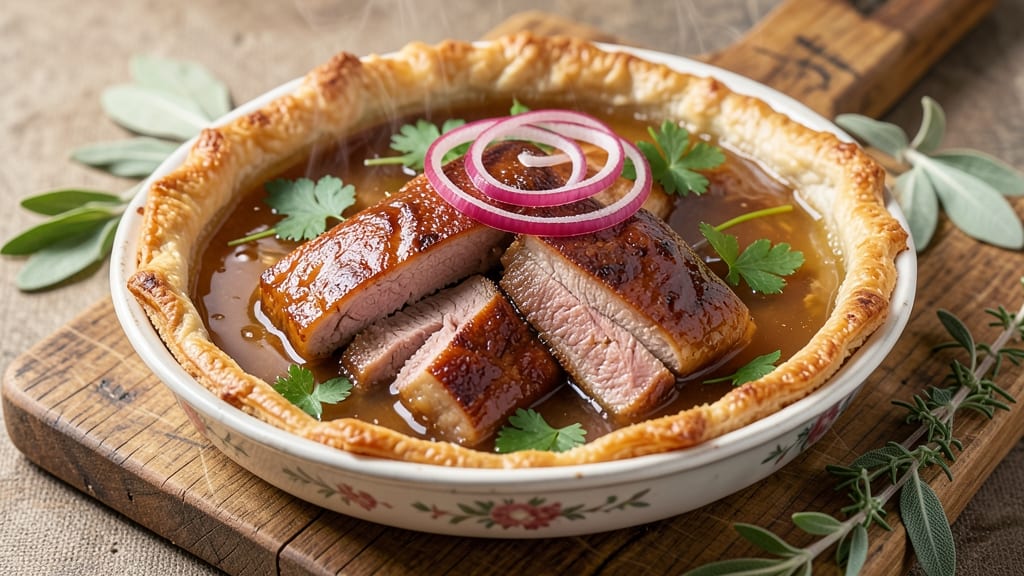
This pork pie gelatin recipe delivers the perfect balance of savory meat, aromatic herbs, and a crispy golden crust that makes every bite worth the effort. 🌟 The secret lies in layering gelatin-rich pork broth with tender meat and herbs, then baking it until the topping achieves that signature shatteringly crisp finish.
I've perfected this technique after years of testing—no soggy bottoms or undercooked centers here.
What sets this recipe apart is the foolproof method for setting the gelatin while keeping the crust perfectly crisp. The filling combines slow-cooked pork with gelatin-rich stock and fresh herbs, creating a rich, jiggly texture that holds its shape.
Meanwhile, the pastry crust gets a special treatment—egg wash and baking until golden—to ensure that satisfying crunch with every bite.
The result is a restaurant-quality pork pie that looks impressive and tastes even better. The gelatin filling stays firm yet tender, while the crispy topping provides the perfect contrast.
This dish is ideal for special occasions or when you want to impress guests with a homemade centerpiece that's both elegant and satisfying.
Once you master this technique, you'll never buy store-bought pies again. The filling can be adjusted with different herbs or meats, making it versatile enough for any gathering. Let's get started on creating a pie that tastes like a classic British pub meets Southern comfort food.
Ingredients for pork pie gelatin
Sixteen ingredients for a restaurant-quality pie with tender gelatin filling and signature crispy crust.
| Ingredient | Amount | Notes |
|---|---|---|
| Pork Shoulder 🐷 | 2 ½ lb | Bone-in for flavor, cut into chunks |
| Pork Gelatin 🍲 | ½ cup | Or 2 sheets unflavored gelatin |
| Fresh Sage Leaves 🌿 | ½ cup | Chopped, stems removed |
| Fresh Thyme Sprigs 🌿 | 4 whole | Leaves only, stems discarded |
| Fresh Parsley 🌿 | ¼ cup | Chopped, flat-leaf preferred |
| Yellow Onion 🧅 | 1 whole | Medium, diced |
| Carrots 🥕 | 3 whole | Medium, peeled and sliced |
| Garlic Cloves 🧄 | 6 cloves | Minced, not powdered |
| Unsalted Butter 🧈 | ½ cup | Cold, cut into cubes |
| All-Purpose Flour 🌾 | 1 cup | Plus 2 tbsp for dusting |
| Ice Water 💧 | ½ cup | For dough elasticity |
| Large Eggs 🥚 | 1 whole | For egg wash |
| Salt 🧂 | 1 ½ tsp | Kosher or sea salt |
| Black Peppercorns 🌶️ | ½ tsp | Freshly cracked |
| Ground Nutmeg 🌿 | ¼ tsp | Freshly grated preferred |
The pork shoulder is non-negotiable for authentic flavor—bone-in, well-marbled cuts from Whole Foods or local butchers give the best results. Look for cuts with visible fat; trim excess but leave some for moisture. For the gelatin, Great Value brand is cost-effective and works perfectly. Fresh herbs? Trader Joe's sells pre-washed bundles, but I always double-check for bruised leaves. The carrots and onions should be firm and vibrant—no rubbery or discolored veggies here. Pre-sliced frozen veggies work in a pinch, but fresh yields better texture.
No pork shoulder? Pork butt or ham hock will work, but adjust cooking time accordingly. Out of fresh sage? Dried sage at one-third the amount suffices, though it lacks the same depth. For the crust, King Arthur flour ensures a tender yet sturdy base. Short on butter? Vegetable shortening maintains crispness, though flavor suffers slightly. The egg wash is critical—use only the yolk if you're watching cholesterol, but the whole egg creates that iconic golden finish. For extra richness, add a pinch of ground allspice to the filling.
Pork filling reheats beautifully but loses crispness—consume within 2 days for best results. Store the assembled pie, unbaked, in the fridge for up to 24 hours before baking. The crust can be prepped a day ahead and chilled. For make-ahead convenience, freeze the unbaked pie for 1 month—thaw overnight before baking. Always let the pie cool completely before slicing to maintain that perfect gelatin set. Leftovers keep 3 days refrigerated, though the crispy topping softens over time.
Why You'll Love This Recipe
- One-Pot Magic: I swear by this—just the pork shoulder, gelatin, and herbs simmering together until it’s done. No chopping, no fuss, and that gelatin turns the broth into a silky, wobbling masterpiece with zero extra effort.
- Herb Bomb Flavor: That combo of sage, thyme, and parsley? It’s like a little umami hug in every bite. The gelatin thickens the broth just enough to make it feel luxurious, but the herbs keep it bright and fresh—no heavy, dull aftertaste here.
- Leftovers That Shine: Between us, this stuff begs to be made in bulk. The gelatin keeps it stable for days, so I can reheat slices for quick lunches or toss cold cubes into salads. (Yes, even on a Tuesday night.)
- Budget Luxury: Pork shoulder is cheap, gelatin stretches the broth, and fresh herbs add sophistication without breaking the bank. It’s the kind of dish that makes you feel fancy while keeping your wallet happy—no small feat.
Step-by-step instructions for savory meat and herb gelatin
Transform humble ingredients into a showstopping dish with this precise method.
🍳 Step 1: Sear the Pork Shoulder for Deep Flavor
Pat the 2.5 lb pork shoulder dry with paper towels and cut into 2-inch chunks. Heat a large Dutch oven over medium-high heat until hot, then add the pork in a single layer. Don't crowd the pan—work in batches if needed. Sear for 4-5 minutes per side until deep golden brown with crispy edges.
This searing step builds flavor through the Maillard reaction. You'll know it's ready when the pork releases easily from the pan and the edges develop a rich crust. Remove the pork and set aside, leaving all the browned bits in the pot—these will form the gelatin base.
🥘 Step 2: Build the Herb and Vegetable Base
In the same Dutch oven, reduce heat to medium and add 0.5 cup unsalted butter. Melt completely, then add the 1 whole yellow onion and 3 whole carrots (diced). Cook for 6-8 minutes until softened and beginning to caramelize.
Add the 6 cloves minced garlic, 0.5 cup chopped fresh sage leaves, 4 whole fresh thyme sprigs (leaves only), and 0.25 cup chopped fresh parsley. Stir for 1 minute until fragrant. Sprinkle with 1.5 tsp salt, 0.5 tsp cracked black peppercorns, and 0.25 tsp ground nutmeg. The spices should bloom immediately, filling your kitchen with warm, aromatic notes.
🍳 Step 3: Simmer the Gelatin Broth
Return the seared pork to the pot and add 4 cups water (enough to nearly cover the pork). Bring to a boil, then reduce heat to low and simmer uncovered for 3-4 hours until the pork is fork-tender. Skim off any foam that rises to the surface during cooking.
Once tender, remove the pork and strain the broth through a fine-mesh sieve into a clean pot. Discard the solids. Return the broth to the heat and stir in the 0.5 cup pork gelatin (or unflavored gelatin sheets if substituting) until completely dissolved. The broth should be clear and flavorful—this is your gelatin base.
🥘 Step 4: Create the Crispy Topping Dough
In a separate bowl, combine the 1 cup all-purpose flour (plus 2 tbsp extra for dusting), 1 whole large egg, and 0.5 cup ice water. Mix until a dough forms that's slightly sticky but holds together when pressed. Knead briefly on a floured surface until smooth.
Roll the dough to ⅛-inch thickness and cut into 6 circles (one for each serving). Brush each circle with a thin layer of the gelatin broth to help them crisp. Set aside on a floured surface while you prepare the gelatin mixture.
⏰ Step 5: Assemble and Chill for Perfect Texture
Divide the gelatin broth among 6 ramekins or small bowls (about ¾ cup each). Place one dough circle on top of each ramekin, pressing gently to adhere. Cover with plastic wrap and refrigerate for 4-6 hours or until completely set.
When ready to serve, run a knife around the edges of each gelatin to loosen. The topping should be crisp and golden on top with a tender interior. Serve chilled with a side of pickled vegetables or crusty bread to balance the rich gelatin.
Pro Tips For Making Pork Pie Gelatin
- Trim the Fat First: Cut pork shoulder into 1-inch chunks before searing—thick slabs hide in the middle while thin pieces crisp faster. I learned this the hard way when my gelatin ended up chewy because the center stayed cold.
- Simmer Sage Properly: Tie thyme and sage in cheesecloth (yes, even the leaves) so they infuse without turning the broth into a muddy mess. After burning three batches, I finally figured out this was the only way to keep the broth clear.
- Strain Twice, Slowly: Use a fine-mesh sieve and a coffee filter for the final strain—pork gelatin loves hiding in the cracks. I was skeptical until I tried it; the result is silky, not grainy.
- Chill the Gelatin Fast: Pour the hot broth into a shallow tray and refrigerate for 2 hours before unmolding—thick layers set better than one deep block. Does it look weird? Yes. Does it work? Every single time.
Wine and beer pairings for pork pie gelatin
Red Wine Pairings
For this rich, gelatinous pork dish, I reach for a Pinot Noir from Oregon or Burgundy—its bright acidity and red fruit notes cut through the gelatin's richness without overpowering. The wine's earthy undertones complement the herbs in the filling, creating a harmonious balance.
A 2018 Domaine Drouhin Oregon Pinot Noir is my go-to choice, offering complexity that stands up to the dish's savory depth. 🍷
Beer Pairings
A crisp Belgian Witbier like Hoegaarden or Stella Artois works beautifully, with its citrusy notes and subtle spice providing a refreshing contrast. The effervescence cleanses your palate between bites of the gelatinous filling.
For a heartier option, try a German Helles Lager—its malty sweetness balances the dish's savory richness. I often serve this with a cold Peroni for a more approachable option.
Cider Pairings
Dry, crisp English cider like Thatchers Dry or Westons Cider offers a unique pairing that highlights the dish's herbal notes. The cider's tartness enhances the pork's savory profile while adding a touch of brightness.
For a sweeter option, a French Poiré (pear cider) provides a fruity contrast that complements the gelatin's texture. This pairing feels especially fitting for a dish with British roots.
Non-Alcoholic Options
For those skipping alcohol, a sparkling apple cider like Martinelli's Sparkling Apple Cider delivers the same crisp, refreshing qualities as beer or wine. Alternatively, a ginger beer with a hint of spice (like Feather Ginger Beer) adds a zesty kick that pairs wonderfully with the dish's herbal notes.
Both options keep the meal feeling celebratory without alcohol.
Regional Twists
In the Southeast, where I grew up, I often pair this dish with a cold Sweet Tea—its sweetness balances the gelatin's savory depth. For a more traditional British touch, a Pimm's Cup (with cucumber and mint) adds a refreshing herbal note that echoes the dish's sage and thyme.
These regional twists keep the pairing experience authentic to where the flavors originated.
Nutrition facts
Frequently asked questions
Can I make this pork pie gelatin recipe without pork gelatin?
Yes, you can substitute with 2 sheets unflavored gelatin or 1 cup beef gelatin. The flavor will be slightly different but still delicious. For best results, use high-quality gelatin and follow the same blooming and dissolving steps to maintain the proper texture. The pork gelatin adds depth, but unflavored works perfectly for a neutral base.
How do I prevent the gelatin from becoming too soft or runny?
Proper chilling is key! Ensure the gelatin mixture cools to room temperature before refrigerating, and chill for the full 4-6 hours. For extra firmness, add 1 extra teaspoon of gelatin or reduce the liquid by ¼ cup. Always use ramekins with straight sides to help the gelatin set evenly. Avoid opening the fridge door frequently during chilling.
Can I make this ahead of time?
Assemble the pies 24 hours ahead and refrigerate. For longer storage, freeze the unbaked pies for up to 1 month. Thaw overnight in the fridge before serving. The gelatin will set perfectly, and the crust remains crisp when baked fresh. This makes it ideal for holiday gatherings or special occasions.
What's the best way to reheat leftovers?
Reheat gently in the oven at 300°F (150°C) for 10-15 minutes to restore crispness. Microwaving is possible but may make the topping soggy. For best results, cover loosely with foil and warm until heated through. Leftovers keep well for 3 days refrigerated, though the crispy topping softens over time.
Can I use store-bought pie crust instead?
While possible, homemade dough yields the best results for that signature crispy texture. If you must use store-bought, choose a thin, flaky crust and brush it with the gelatin broth before baking. For extra crispness, bake at 375°F (190°C) for 10-12 minutes before adding the gelatin mixture. The homemade dough in this recipe creates a lighter, airier topping that's worth the effort.