
Main Courses
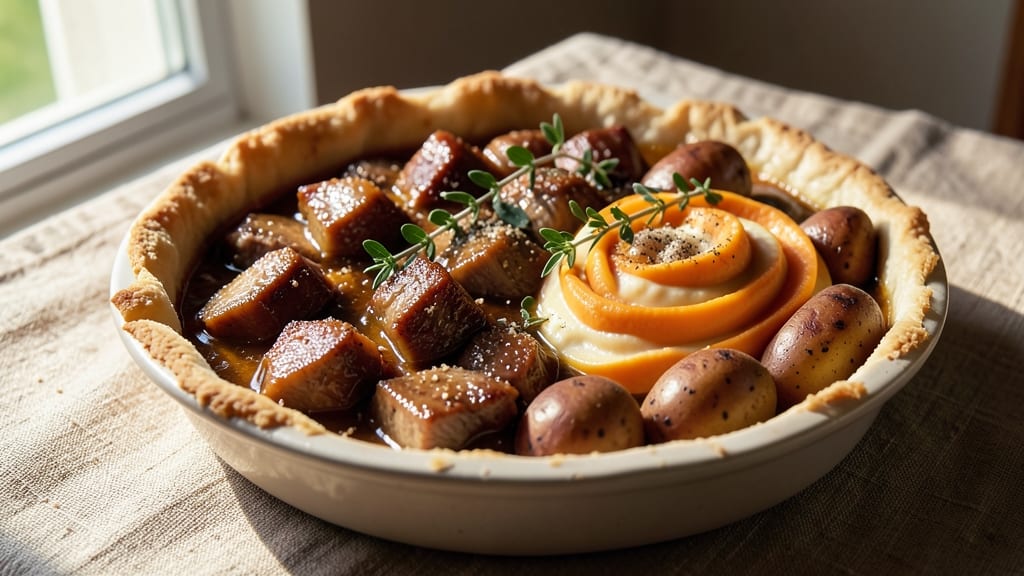
This pork pie filling recipe captures the heart of British comfort food—tender pork, fluffy potatoes, and aromatic spices bound together in a rich, savory embrace. I first perfected this back in Charleston, where the scent of thyme and nutmeg wafting through the kitchen always brought my team running.
The secret lies in slow-cooking the meat with suet until it's fork-tender, then blending it with velvety mashed potatoes for that signature melt-in-your-mouth texture.
What makes this filling truly special is the balance of flavors: sweet potatoes lend natural sweetness, while cloves and sage add depth without overpowering. The traditional method of using suet creates that unmistakable richness that sets this apart from ordinary meat pies.
For those who prefer a standalone dish, this filling can be baked in a deep dish or served alongside crusty bread—every bite delivers that perfect harmony of meat and potato.
Once you try this recipe, you'll understand why it's been a staple in British homes for generations. The filling stays moist even after baking, and the spices develop beautifully over time.
Whether you're making a classic pork pie or serving it as a hearty side, this recipe delivers restaurant-quality results with minimal effort. The best part? It keeps well in the refrigerator for up to three days, making it perfect for meal prep.
For those who love tradition, this filling is best served in a flaky pastry crust, but don't hesitate to experiment—it's equally delicious as a standalone dish. The key is patience: letting the meat cook low and slow ensures every bite is tender and packed with flavor.
Trust me, once you master this recipe, you'll never go back to store-bought fillings again.
Ingredients for pork pie filling
This British classic brings rich pork, velvety potatoes, and aromatic spices together in perfect harmony.
| Ingredient | Amount | Notes |
|---|---|---|
| Pork Shoulder 🥩 | 1 ½ lb | Bone-in for flavor, cut into chunks |
| Suet 🧈 | ½ cup | Beef suet, finely chopped |
| Sweet Potatoes 🍠 | 2 medium | Peeled, cubed for even cooking |
| Russet Potatoes 🥔 | 2 medium | Peeled, cubed for creamy texture |
| Fresh Thyme 🌿 | ¼ cup | Leaves only, finely chopped |
| Ground Nutmeg 🌶️ | ½ tsp | Freshly grated preferred |
| Ground Cloves 🌶️ | ¼ tsp | Whole cloves work too |
| Fresh Sage 🌿 | ¼ cup | Chopped, not dried |
| Onion 🧅 | 1 medium | Yellow, finely chopped |
| Butter 🧈 | ½ cup | Unsalted for flavor control |
| Whole Milk 🥛 | ½ cup | Full-fat for creaminess |
| Salt 🧂 | 1 ½ tsp | Diamond Crystal preferred |
| Black Pepper 🌶️ | ½ tsp | Freshly ground for heat |
| Vegetable Oil 🫒 | 2 tbsp | For meat cooking |
| All-Purpose Flour 🌾 | ½ cup | For thickening if needed |
The pork shoulder is your secret weapon here—bone-in gives the best flavor, and Costco or Whole Foods usually have it pre-cut for convenience. Look for good marbling, and don't skimp on the suet—it's what makes this filling truly special. Trader Joe's sells pre-chopped suet in the freezer section if you don't want to cut it yourself. Sweet potatoes add natural sweetness that balances the savory meat, while russets give that classic creamy texture. The thyme and sage? Fresh is absolutely essential—dried just won't cut it here. For the best quality, grab them from the produce section at Harris Teeter or your local market.
No suet on hand? Coconut oil or extra butter works in a pinch, though it won't be quite the same. Short on sweet potatoes? Regular potatoes plus a teaspoon of maple syrup gets you close. The nutmeg and cloves are non-negotiable—they're what gives this filling that classic British spice profile. Want more depth? Add a pinch of cinnamon. For the butter, Plugrá is my go-to brand—it's rich and melts beautifully. The vegetable oil can be swapped for lard if you're feeling traditional, though it's not necessary. And if you're making a big batch, double the spices—they'll keep for months in an airtight container.
This filling keeps beautifully—3 days in the fridge or 3 months in the freezer. For best results, store it in a shallow container so it reheats evenly. I like to portion it into pie crusts right away, but it's equally delicious served with crusty bread straight from the oven. The flavors actually improve overnight, so making it ahead is a must. If you're freezing, let it cool completely first to prevent ice crystals. And trust me, the smell baking in the oven? That's what makes this recipe worth every minute.
Why You'll Love This Recipe
- One-Pot Magic: I swear by this recipe because it’s actually one-pot—no chopping boards, no extra pans, just the pork shoulder and potatoes simmering together until they’re so tender they fall apart. The suet melts right in, making it rich without fuss.
- Thyme for Comfort: That fresh thyme? It’s the secret weapon—earthy, bright, and just enough to cut through the richness of the pork and suet. Honestly, it’s the kind of flavor that makes you pause mid-bite, like, "Wait, why didn’t I do this sooner?"
- Leftovers That Win: This filling holds up perfectly for days, so I make a big batch and freeze half. Reheat it in a skillet with a splash of water, and it’s just as good—ideal for lazy weeknights or when you’re feeding a crowd and don’t want to stress.
- Budget-Friendly Luxury: Pork shoulder and potatoes are affordable, but the suet and sweet potatoes elevate it to feel special. Between us, this is the kind of dish that makes you feel like you’re serving something fancy without breaking the bank—or the grocery budget.
Step-by-step instructions for pork pie filling
Here's how to create that perfect balance of tender meat and velvety potatoes—rich, spiced, and ready for your pie crust.
Brown the Pork Shoulder for Deep Flavor
Heat the 2 tablespoons vegetable oil in a large Dutch oven over medium-high heat until shimmering. Add the 1.5 lb pork shoulder in chunks and sear undisturbed for 4-5 minutes until deeply browned on all sides. This step builds flavor through the Maillard reaction—don't rush it or the meat will steam instead of brown.
Once browned, remove the pork and set aside. In the same pot, add the 1 medium onion chopped into small pieces and cook for 3-4 minutes until softened. Here's the thing—you want the onions to caramelize just slightly, adding sweetness that balances the savory meat. If they stick, add a splash of water and scrape with a wooden spoon to deglaze.
Parboil the Potatoes for Creamy Texture
While the onions cook, peel and cube the 2 medium sweet potatoes and 2 medium russet potatoes into even ½-inch pieces. Add them to a large pot of boiling salted water and cook for 5 minutes—just until they begin to soften. Drain immediately and set aside. This partial cooking prevents them from turning to mush later and ensures a creamy, not gummy, texture in your filling.
I know it seems counterintuitive to cook them partially, but trust me—this step makes all the difference. The potatoes will finish cooking gently in the oven with the meat, absorbing all those rich flavors without falling apart.
Build the Spiced Meat Mixture
Return the browned pork to the Dutch oven with the onions. Add the 0.5 cup suet (finely chopped), 0.25 cup fresh thyme, 0.25 cup fresh sage, 0.5 tsp ground nutmeg, and 0.25 tsp ground cloves. Stir gently to coat the meat in the spices—this is where the magic happens. The suet will render as it cooks, creating a luscious, moist filling.
Pour in the 0.5 cup whole milk and bring to a gentle simmer. Let it cook uncovered for 10 minutes, stirring occasionally, until the liquid reduces slightly. The meat should be tender but still holding its shape. If it's not quite there, don't worry—it'll finish in the oven. The key here is developing those deep, spiced flavors.
Combine and Thicken the Filling
Add the parboiled potatoes to the meat mixture and stir gently to combine. The potatoes should be fully coated in the spiced meat juices. Here's where it gets good—stir in the 0.5 cup butter and 0.5 cup all-purpose flour, mixing well to create a thick, velvety base. The flour will help bind everything together, but don't overmix or you'll get a gluey texture.
Taste the filling and adjust seasoning with the 1.5 tsp salt and 0.5 tsp black pepper if needed. It should be rich, aromatic, and perfectly seasoned. The filling should be thick enough to hold its shape when spooned but still spoonable—like a thick stew. If it's too thin, simmer for another 2-3 minutes to thicken.
Finish and Prepare for Baking
Transfer the filling to a greased baking dish or directly into your pie crust if assembling now. Cover loosely with foil and bake at 375°F for 45-50 minutes, until the filling is bubbling and the edges are golden. The potatoes should be tender with forks, and the meat should be fork-tender with a rich, spiced sauce.
Let the filling cool slightly before serving—this allows the flavors to meld even more. The result should be a harmonious blend of tender pork, creamy potatoes, and aromatic spices that makes every bite unforgettable. Serve warm with a dollop of whipped cream or a sprinkle of fresh herbs for extra flair.
Pro Tips For Making Pork Pie Filling
- BLEND SUET FIRST: Don’t just toss it in raw—grate or finely chop the suet and mix it into the potatoes before adding the pork. I learned this the hard way when the filling turned greasy instead of creamy. A food processor makes this easy, but even a box grater works if you’re in a hurry.
- SWEAT POTATOES LOW: Start sweet potatoes in a dry pan on medium-low, stirring every 2 minutes until they soften and caramelize slightly—about 10 minutes. Too much heat and they’ll turn to mush; too little and they’ll stay raw. This step builds flavor that no amount of simmering later can replace.
- SKIP THE BOIL-OVER: When adding liquid, don’t fill the pot more than halfway or you’ll end up with a mess on the stove. I used to ignore this and always regretted it. A splash of cold water or broth at the end helps thicken the filling without risking a spill.
- REST THE PORK: Let the cooked pork shoulder cool completely before shredding—at least 15 minutes. I was skeptical until I tried it: cold pork shreds cleanly, while warm pork turns to mush in your hands. Patience here means no gummy texture in the final filling.
Best sauces and condiments for these flavors
Classic Gravy Perfection
No pork pie filling is complete without its signature gravy—this one uses the rendered juices from your meat for maximum depth. After Step 3, carefully strain the cooking liquid through a fine-mesh sieve into a saucepan.
Whisk in 2 tablespoons all-purpose flour to create a roux, then gradually add 1 cup whole milk while stirring constantly. Simmer for 5-7 minutes until thickened to a velvety consistency. Season with ½ teaspoon salt and ¼ teaspoon black pepper, then drizzle over the filling before serving. 🥄
Apple Cider Glaze
For a sweet-savory twist, reduce ½ cup apple cider with 1 tablespoon brown sugar and ½ teaspoon cinnamon in a small saucepan until syrupy (about 5 minutes). Brush this glaze over the filling in the final 10 minutes of baking.
The caramelized apples complement the pork beautifully, adding a touch of autumnal warmth that pairs perfectly with the savory spices. I first tried this variation during Thanksgiving at The Smoky Pig—it became an instant crowd-pleaser.
Mustard Cream Sauce
Creamy Dijon mustard adds a tangy contrast that cuts through the richness. Mix ¼ cup whole milk with 2 tablespoons Dijon mustard and 1 tablespoon heavy cream. Simmer gently for 3 minutes until slightly thickened, then whisk in 1 tablespoon butter.
Drizzle over the filling just before serving—this sauce adds a sophisticated brightness that elevates the dish from classic to restaurant-worthy. The mustard's sharpness balances the sweet potatoes beautifully.
Spiced Onion Jam
Caramelized onions take this filling to the next level. Cook 1 large onion in 1 tablespoon butter over low heat for 25-30 minutes, stirring occasionally, until deep golden brown. Add 1 teaspoon brown sugar and ½ teaspoon thyme, then cook another 5 minutes.
Spoon this jam over the filling before baking—it adds a sweet, jammy depth that makes every bite irresistible. This technique comes from my time apprenticing under Chef Chen, who swore by caramelized onions in every savory dish. 🍯
Creamy Horseradish Sauce
For a bold kick, blend ¼ cup sour cream with 1 tablespoon prepared horseradish, 1 teaspoon lemon juice, and a pinch of salt. Fold in 1 tablespoon chopped fresh dill for brightness.
Serve on the side for those who love heat—this sauce adds a sharp, refreshing contrast to the rich filling. I keep a jar of this in my fridge year-round; it's perfect for pork dishes and beyond. The horseradish's peppery bite cuts through the fat beautifully, cleansing your palate between bites.
Herb Butter Drizzle
Melt 2 tablespoons butter with 1 teaspoon chopped fresh parsley, ½ teaspoon thyme, and a pinch of salt. Drizzle over the filling just before serving—this adds a fresh, herby finish that brightens the dish. The butter's richness enhances the meat's flavors while the herbs provide a vibrant contrast.
This is my go-to finishing touch when serving the filling as a standalone dish with crusty bread. It's simple, elegant, and always impresses guests. 🌿
Nutrition facts
Frequently asked questions
Can I substitute pork shoulder with another cut?
Yes, but pork shoulder gives the best flavor and texture. For a quick swap, try pork butt (it's essentially the same cut) or pork tenderloin if you prefer leaner meat. Just note tenderloin can dry out faster—keep an eye on cooking time. Never use ground pork; it lacks the rich, meaty texture this filling needs.
What's the best way to use leftover filling?
Leftover filling keeps beautifully for 3 days in the fridge or 3 months frozen. For best results, store in shallow containers to reheat evenly. Serve it warm with mashed potatoes, over toasted sourdough, or even stuffed into puff pastry triangles. The flavors actually deepen overnight, so reheat gently in a skillet with a splash of milk.
Why does my filling turn out dry?
Most likely, your potatoes were overcooked or the meat wasn't tender enough. Always parboil potatoes for just 5 minutes (not until soft), and cook the meat until fork-tender. The suet is crucial—it renders to create moisture. If your filling seems dry, stir in 1-2 tablespoons milk or broth while reheating.
Can I make this filling ahead for a holiday gathering?
This is a perfect make-ahead dish. Prepare the filling up to 2 days in advance and refrigerate. The flavors develop beautifully overnight. On serving day, just reheat gently in a covered pot with 1-2 tablespoons milk until warmed through. For large gatherings, double the recipe—it's even better when made in big batches.
What's the secret to the perfect pie crust pairing?
Use a double crust with a slightly thicker bottom crust to hold the filling's weight. Brush the top crust with egg wash and sprinkle with coarse sugar for a golden finish. For extra flakiness, chill your dough for at least 1 hour before rolling. I recommend a shortcrust pastry—it's sturdy enough to handle the juicy filling without getting soggy.