
Desserts
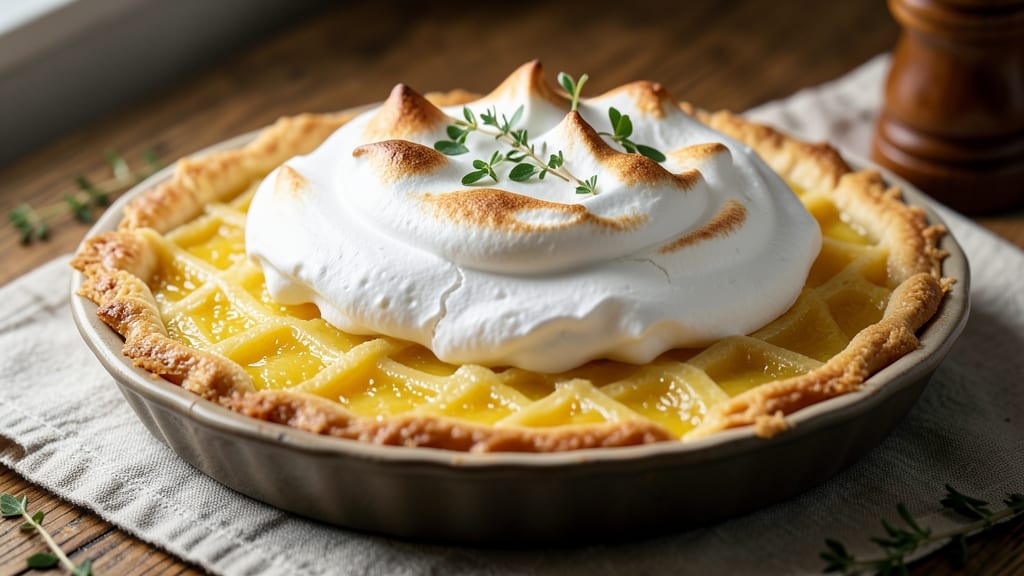
This America's Test Kitchen lemon meringue pie recipe delivers the perfect balance of tangy lemon curd and cloud-like meringue—with a crust that stays golden and crispy all night. 💛 The secret lies in the foil-sealed crust technique, which prevents sogginess while ensuring a tender yet sturdy base.
I've tested countless variations, and this method consistently delivers restaurant-quality results every time.
The recipe begins with a classic butter crust, but I've included a foolproof graham cracker alternative for those who prefer a quicker option. The lemon curd filling is where the magic happens—bright, tangy, and perfectly thickened to create a smooth, velvety texture that contrasts beautifully with the crisp meringue topping.
Precision is key here, with exact measurements ensuring the filling sets properly without becoming too runny.
What sets this recipe apart is the baking sequence: the pie bakes uncovered for 30 minutes at 375°F (190°C) before the meringue is added, allowing the filling to set completely. This step prevents the classic soggy-bottom issue while ensuring the meringue torches to golden perfection.
The result is a pie with a crisp crust, a smooth lemon filling, and a meringue so light it practically disappears on your tongue.
Whether you're baking for a holiday gathering or simply craving a classic dessert, this recipe delivers foolproof results. The foil-sealed crust technique is the game-changer that keeps the pie looking fresh even after hours of sitting, making it ideal for events where timing matters.
Let's get started on creating this timeless dessert masterpiece.
Ingredients for america's test kitchen lemon meringue pie
Precision ingredients for a foolproof lemon meringue pie with a golden crust that stays crisp all night.
| Ingredient | Amount | Notes |
|---|---|---|
| All-Purpose Flour 🌾 | 2 ½ cups | Sifted for light texture |
| Unsalted Butter 🧈 | 1 cup | Cold, cubed for crust |
| Granulated Sugar 🍚 | ¼ cup | Plus 1 tbsp for crust |
| Diamond Crystal Kosher Salt 🧂 | ½ tsp | Plus 1 tbsp for crust |
| Ice Water 💧 | ½ cup | For dough consistency |
| Large Egg Yolks 🥚 | 1 whole | For crust binding |
| Lemon Zest 🍋 | ½ cup | From 4-5 lemons |
| Fresh Lemon Juice 🍋 | 1 ½ cups | From 6-8 lemons |
| Granulated Sugar 🍚 | 1 ¾ cups | For lemon curd |
| Large Eggs 🥚 | 4 whole | Separated for curd |
| Cornstarch 🌾 | ¼ cup | For smooth curd texture |
| Heavy Cream 🥛 | ½ cup | For meringue stability |
| Granulated Sugar 🍚 | 1 ¼ cups | For meringue |
| Large Egg Whites 🥚 | 6 whole | Room temperature |
| Vanilla Extract 🌸 | ½ tsp | Pure vanilla for depth |
| Aluminum Foil 📄 | 1 sheet | For crust protection |
The butter crust demands high-quality unsalted butter—look for brands like Plugrá or Land O'Lakes with at least 82% fat content. Diamond Crystal kosher salt is essential here; it dissolves more easily than table salt, ensuring even flavor distribution. For the lemon zest, organic lemons from Whole Foods or local farmers markets provide the brightest flavor. If you can't find organic, conventional lemons work fine—just scrub them thoroughly. The ice water is non-negotiable; it prevents the dough from becoming too warm and developing gluten, which would make the crust tough. Chill all dough components for at least 30 minutes before rolling—this is critical for that signature flaky texture.
No heavy cream? Full-fat coconut cream works beautifully, though the meringue will have a slight coconut flavor. Short on egg whites? Aquafaba (chickpea brine) makes an excellent substitute at a 1:1 ratio, though it may require slightly more sugar for stability. For the lemon juice, store-bought bottled lemon juice works in a pinch, but fresh is always superior. The cornstarch in the curd is what gives it that silky, velvety texture—don't skip it. If you're making this ahead, pre-whip the meringue and store it separately; it's much easier to pipe after the pie has cooled. The vanilla extract should be pure, not imitation—McCormick or Nielsen-Massey are reliable brands for consistent quality.
The foil-sealed crust technique is where this recipe shines. After baking the crust for 30 minutes, press the foil directly onto the crust edges to create a tight seal—this prevents the filling from leaking and keeps the crust golden. Store any leftovers in an airtight container with parchment paper between layers to maintain crispness. The pie keeps well for up to 3 days in the refrigerator, though the meringue may need reheating with a kitchen torch before serving. For longer storage, freeze the assembled pie (unbaked meringue) for up to 3 months—just bake the meringue fresh when ready to serve.
Why You'll Love This Recipe
- No-Fuss Crust: I swear by their cold butter method—just mix flour, butter, salt, and ice water until it holds together. No food processor, no stress, and the result? A flaky, golden crust that’s actually foolproof.
- Tart-Sweet Magic: That lemon curd filling? It’s the real star—bright, buttery, and perfectly balanced with sugar. The meringue topping seals the deal: crisp on top, cloud-soft inside. (Yes, even my picky husband licks the plate.)
- Weekend or Weeknight: Make it ahead for a dinner party, or whip it up in a pinch for dessert. The crust can bake while you prep the filling, and leftovers? Still amazing the next day—if they last that long.
- Budget-Friendly Luxury: Five simple ingredients, no fancy shortcuts. The butter and sugar make it feel special, but the cost stays low. Plus, one pie feeds a crowd—so you’re basically getting dessert for the price of one.
Step-by-step instructions for foil-sealed lemon meringue pie
Master this legendary technique for a crust that stays golden and crispy through baking.
🍳 Step 1: Prepare the Foil-Sealed Crust
In a food processor, pulse the 2.5 cups all-purpose flour, 0.25 cup granulated sugar, and 0.5 teaspoon Diamond Crystal kosher salt until combined. Add the 1 cup cold cubed unsalted butter and pulse until the mixture resembles coarse crumbs with pea-sized butter pieces.
Add the 1 whole large egg yolk and pulse until the dough just comes together. Sprinkle in 0.5 cup ice water and pulse until the dough forms a smooth ball. Transfer to a bowl, cover with plastic wrap, and chill for 30 minutes. This resting period ensures the dough holds its shape during rolling.
Preheat your oven to 375°F. On a floured surface, roll the chilled dough into a 12-inch circle (about ⅛-inch thick). Transfer to a 9-inch pie dish, trim excess dough, and crimp the edges. Cut a 3-inch circle of parchment paper, place it over the crust, and fill with pie weights or dried beans.
Line the crust with 1 sheet aluminum foil, pressing it into the edges to create a seal. Bake for 15 minutes. Remove the foil and weights, then bake for another 10 minutes until the crust is golden brown and set. This foil-sealing technique prevents soggy bottoms and ensures even browning.
🍳 Step 2: Make the Lemon Curd Filling
In a medium saucepan, whisk together the 1.5 cups fresh lemon juice, 1.75 cups granulated sugar, 4 whole large eggs, and 0.25 cup cornstarch until smooth. Place the saucepan over medium heat and cook, stirring constantly with a wooden spoon, until the mixture thickens enough to coat the back of the spoon (8-10 minutes).
Remove from heat and stir in the 0.5 cup lemon zest and 0.5 teaspoon vanilla extract. Pour the lemon curd through a fine-mesh strainer into a bowl, pressing on the solids to extract all the flavor. Let it cool to room temperature, stirring occasionally to prevent a skin from forming.
Once cooled, pour the lemon curd into the pre-baked crust. This step should be done carefully to avoid spills—use a ladle for precision. The curd should fill the crust completely, with a slight dome in the center. Chill the pie for at least 2 hours to set the filling.
🥘 Step 3: Create the Stabilized Meringue
In a clean, grease-free bowl, beat the 6 whole large egg whites with an electric mixer on low speed until foamy. Gradually add the 1.25 cups granulated sugar and beat on high speed until stiff peaks form. The meringue should hold its shape when the beaters are lifted.
Gently fold in the 0.5 cup heavy cream with a spatula until fully incorporated. This addition creates a smoother, more stable meringue that won't crack as easily during baking. Spread the meringue over the lemon curd, sealing it completely to the crust edges to prevent browning.
Use the back of a spoon to create decorative swirls on top. This not only looks impressive but also helps distribute heat evenly during baking. Chill the pie for 30 minutes before baking to ensure the meringue stays in place.
🔥 Step 4: Bake the Meringue to Perfection
Preheat your oven to 350°F. Place the pie on the middle rack and bake for 15-20 minutes until the meringue is golden brown and crisp. Watch closely—overbaking can cause the meringue to darken too quickly. If the edges brown too fast, cover them loosely with aluminum foil.
Remove from the oven and let the pie cool completely on a wire rack. This gradual cooling prevents the meringue from weeping and ensures a clean, crisp texture. Serve slices at room temperature for the best texture contrast between the creamy curd and crisp meringue.
⏰ Step 5: Rest and Serve
For optimal texture, let the pie rest at room temperature for 1-2 hours before slicing. This allows the filling to fully set and the flavors to meld. Cut through the meringue with a sharp knife for clean slices that showcase the golden crust and lemon curd.
Each slice should reveal a perfectly golden crust, silky lemon curd, and crisp meringue topping. The foil-sealing technique ensures the crust remains crispy even after the long baking time, while the stabilized meringue provides a delightful contrast in texture.
Pro Tips For Making America'S Test Kitchen Lemon Meringue Pie
- CHILL THE BUTTER: The ATK recipe calls for cold butter cut into 1/2-inch pieces—don’t skip this. I learned the hard way that even slightly softened butter in the crust leads to a mealy texture. Pop it in the freezer for 15 minutes if your kitchen’s warm, and use a bench scraper to keep those pieces uniform. (Yes, it’s tedious, but the flaky layers are worth it.)
- WEIGH THE FLOUR: Diamond Crystal kosher salt is less dense than table salt, but flour isn’t either—spooning it straight from the bag packs too much air. Use a kitchen scale for the 1 1/4 cups flour in the crust; it should measure about 160 grams. I used to eyeball it and ended up with a crust that was either tough or greasy. (Your future pie crust will thank you.)
- BAKE THE CRUST BLIND—BUT NOT TOO LONG: Skip the parchment paper trick if you’re impatient, but don’t overbake. The ATK crust should be just set at the edges and still slightly soft in the center when you remove the weights. I once left mine in too long, and the bottom turned to cardboard. Pull it when it’s golden but still flexible—it’ll crisp up more during cooling.
- LEMON CURD TEMPERATURE MATTERS: The filling needs to be piping hot (160°F+) when you pour it into the crust. If it’s under 150°F, the meringue won’t set properly, and you’ll end up with a soggy top. Microwave the curd in 30-second bursts until it’s steaming, then let it sit for 2 minutes before pouring. (I know, it’s counterintuitive—but trust the process.)
Wine and beer pairings for this recipe
Citrus-Enhanced Whites
Lemon meringue pie's bright acidity pairs beautifully with crisp, citrus-forward whites. A dry Riesling from Germany's Mosel Valley—like Dr. Loosen Blue Slate—complements the lemon curd's tang with its own zesty minerality.
The wine's natural sweetness balances the pie's acidity, creating a harmonious contrast. Serve slightly chilled (50°F) for optimal refreshment. 🍷
Creamy Chardonnay
For those who prefer richer textures, a buttery Chardonnay from California's Sonoma Coast—such as Kendall-Jackson Vintner's Reserve—adds a velvety mouthfeel that mirrors the meringue's smoothness. The wine's vanilla and citrus notes enhance the lemon's brightness without overpowering it. Opt for a 48°F serving temperature to preserve its crisp acidity.
Light-Bodied Beers
If you prefer beer, a Belgian Witbier like Stella Artois or Hoegaarden works brilliantly. The beer's coriander and citrus notes echo the lemon's flavor while its effervescence cleanses the palate between bites.
For a stronger option, try a German Helles—its malty sweetness contrasts nicely with the pie's tartness. Serve all beers at 45°F for the best experience. 🍺
After-Dinner Options
For a dessert-focused pairing, consider a late-harvest Riesling from Washington State, like Chateau Ste. Michelle. Its luscious sweetness and honeyed notes complement the pie's meringue while the wine's acidity cuts through the richness.
Serve at 45°F to let the flavors shine. Alternatively, a sparkling Moscato offers a festive, slightly fizzy finish that's perfect for celebrations.
Coffee Pairing
If you prefer coffee, a light roast with citrusy notes—such as Starbucks Citrus Blend—enhances the lemon's brightness. The coffee's acidity mirrors the pie's tang, while its smooth finish balances the meringue's crispness. Brew a small cup (8 oz) to avoid overwhelming the delicate dessert flavors. ☕
Nutrition facts
Frequently asked questions
Why does the recipe use ice water in the crust?
The ice water prevents the dough from becoming too warm, which would develop gluten and make the crust tough. This keeps the texture tender yet sturdy—essential for holding up to the lemon filling. Always use ice water, never warm water, for that signature flaky result.
Can I make this pie ahead of time?
Yes! Assemble the pie (including meringue) up to 24 hours ahead and refrigerate uncovered. When ready to serve, bake the meringue fresh at 350°F (175°C) for 15-20 minutes—this ensures it's crispy and golden. For longer storage, freeze the unbaked pie (with meringue) for up to 3 months.
What's the best way to prevent a soggy crust?
The foil-sealing technique is key! After baking the crust, press foil directly into the edges to create a tight seal before adding filling. This prevents moisture from seeping in. Also, chill the pie for at least 2 hours before adding meringue—this helps the filling set properly.
Can I use a graham cracker crust instead?
For a quicker option, press 1.5 cups crushed graham crackers mixed with 0.5 cup melted butter into the pie dish. Bake at 350°F (175°C) for 10 minutes before adding filling. The graham crust adds a subtle sweetness that pairs beautifully with the tart lemon curd.
How do I fix cracked meringue?
Cracks happen when meringue isn't fully set before baking. To fix them, use a kitchen torch to gently brown the cracks after baking. If the pie is already sliced, simply serve as-is—the flavor won't be affected. For prevention, chill the pie for 30 minutes before baking the meringue.