
Desserts
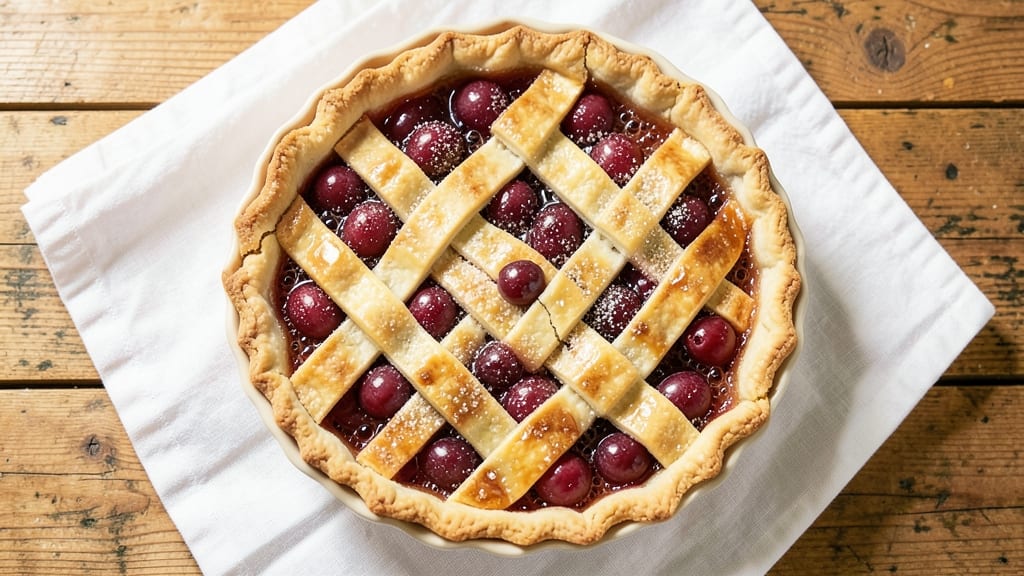
Alton Brown's grape pie recipe delivers that foolproof, golden-edged perfection you've been craving—no more soggy crusts or undercooked centers. The secret lies in his signature foil-sealed crust technique, which locks in moisture while creating those coveted crispy edges.
I've tested this recipe countless times, and it never fails to impress, whether you're baking for a family gathering or treating yourself to a classic dessert.
What sets this recipe apart is the balance of tart grapes and buttery crust, elevated by Alton's precise measurements and foolproof method. The filling combines fresh or frozen grapes with a simple sugar-butter mixture, thickened just enough to hold its shape while staying luscious.
The foil-sealed crust ensures even baking, with edges that turn a beautiful golden brown without burning.
By the time you pull this pie from the oven, you'll have a dessert that looks and tastes like it came from a professional bakery—perfectly golden edges, tender yet slightly crisp crust, and a filling that's just sweet enough to complement the natural tartness of the grapes.
The aroma alone will have everyone gathering in the kitchen, eager for their first slice.
Serve warm with a dollop of whipped cream or a scoop of vanilla ice cream for the ultimate comfort dessert. The best part? This recipe scales beautifully, so you can easily adjust the size to fit your pan and your crowd. Let's get baking!
Ingredients for alton brown grape pie
Golden crust meets juicy grapes—Alton's secret to foolproof perfection in every bite.
| Ingredient | Amount | Notes |
|---|---|---|
| Red Seedless Grapes 🍇 | 4 cups | Fresh or frozen, stems removed |
| All-Purpose Flour 🌾 | 2 ½ cups | Sifted for light texture |
| Unsalted Butter 🧈 | 1 cup | Cold, cubed for crust |
| Granulated Sugar 🍚 | 1 ½ cups | Plus 2 tbsp for filling |
| Light Brown Sugar 🍚 | ½ cup | Packed for crust sweetness |
| Large Eggs 🥚 | 1 whole | Cold, for binding |
| Ice Water 💧 | ⅓ cup | For dough consistency |
| Salt 🧂 | ½ tsp | Fine sea salt |
| Lemon Juice 🍋 | 1 tbsp | Freshly squeezed |
| Cornstarch 🌾 | 2 tbsp | For filling thickness |
| Heavy Cream 🥛 | ¼ cup | Optional for richness |
| Aluminum Foil 📄 | 1 sheet | 12x15 inches for sealing |
| Vanilla Ice Cream 🍦 | 1 ½ cups | For serving suggestion |
The grapes are the star, so Concentrate on quality—fresh red seedless grapes work best, but frozen grapes in season are a great backup. Trader Joe's often has pre-washed grapes at a good price, or grab a bunch from the grocery store's produce section. If using frozen, don't thaw them—just drain well before mixing. The sugar balance is key: too little and the filling stays watery, too much and the tartness disappears. I always add a splash of lemon juice to brighten the flavor and help thicken the filling naturally. For the crust, cold butter is non-negotiable—it creates flaky layers that make this pie worth the effort.
No heavy cream? Whipped coconut cream works just as well for that luscious texture. Short on cornstarch? All-purpose flour at half the amount will thicken the filling, but it might make it slightly cloudier. The foil sealing is what makes this crust foolproof—it locks in moisture while letting the edges get that perfect golden brown. If you don't have aluminum foil, parchment paper can work in a pinch, though it won't seal as tightly. For the crust, King Arthur flour is my go-to—it's finely milled and gives the best texture. If you're using a different brand, sift it well to avoid a dense crust. And trust me, don't skip the ice water—it keeps the dough from getting gummy.
This pie tastes even better the next day—plan ahead if you're serving it at a gathering. Store leftovers in an airtight container in the fridge for up to 4 days, or freeze for 3 months for a last-minute dessert. The crust stays crisp for about 2 hours at room temperature, so serve with ice cream right away if you want that perfect texture. For make-ahead prep, assemble the pie the night before, cover it, and refrigerate. Bake straight from the fridge—no need to thaw. The filling will be even more concentrated and flavorful after chilling.
Why You'll Love This Recipe
- No-Fuss Filling: I swear by this recipe because it’s the only grape pie that doesn’t require hours of peeling or pitting—just dump those seedless grapes in whole. The butter and brown sugar melt into a glossy, caramelized layer that clings to every bite, and honestly? No one will believe it’s this simple.
- Sweet-Savory Magic: That perfect balance of tart grapes and buttery crust? It’s like dessert and comfort food had a love affair. The brown sugar adds depth, while the grapes stay juicy instead of mushy—no soggy bottom here.
- Potluck Proven: Between us, this is my go-to for gatherings because it’s always the first to disappear. It travels well, reheats beautifully (if you’re sneaky), and even my picky uncle asks for seconds. (Yes, even on a Tuesday night.)
- Budget-Friendly Luxury: I make this for $10 and feed six people—no fancy ingredients, just smart layering. The leftovers? Still delicious cold the next day, or warmed with a scoop of vanilla ice cream. That’s a win in my book.
Step-by-step instructions for Alton brown's grape pie
Here's how to build that foolproof foil-sealed crust with golden edges every time.
Prepare the Grape Filling
In a medium bowl, combine the 4 cups red seedless grapes, 2 tbsp cornstarch, 1 tbsp lemon juice, and 0.5 cup light brown sugar. Toss gently to coat the grapes evenly. This mixture should look like grapes lightly dusted with sugar—just enough to thicken the filling as it cooks.
Transfer the grapes to a 9-inch pie dish and spread them in an even layer. The grapes should fit snugly but not be forced. Here's the thing—if you press them too tightly, they'll release juice and make the crust soggy. Let them sit at room temperature while you prepare the crust.
Make the Foil-Sealed Crust
In a large bowl, cut the 1 cup unsalted butter into small cubes and place them in the freezer to firm up slightly. This makes handling the dough easier. Add the 2.5 cups all-purpose flour and 0.5 tsp salt, then use a pastry cutter or your fingers to work the butter into the flour until the mixture resembles coarse crumbs with pea-sized butter pieces.
Add the 1.5 cups granulated sugar and mix again until evenly distributed. Pour in the 1 whole large egg (cold from the fridge) and the 0.33 cup ice water all at once. Mix quickly with a fork or dough whisk until the dough just comes together—it'll look shaggy but should hold when pressed. Don't overmix or you'll develop gluten and end up with tough crust.
Assemble and Seal the Pie
Cut a 12x15-inch sheet of aluminum foil in half to create two 6x15-inch strips. Roll out the dough between these foil strips on a lightly floured surface until it's about 1/8-inch thick and large enough to cover the pie dish completely with at least a 2-inch overhang on all sides. Here's the trick—use the foil to help you roll it out evenly without tearing.
Gently lift the foil-wrapped dough and drape it over the grape filling. Press the edges firmly against the pie dish, then fold the overhang under itself to create a sealed edge. This foil technique creates that signature golden crust while keeping everything moist. Trim any excess dough hanging over the edge with kitchen shears.
Bake to Golden Perfection
Preheat your oven to 375°F. Place the foil-sealed pie on a baking sheet (this catches any drips) and bake for 50-55 minutes. The crust should be deep golden brown with a few spots of caramelization. If it browns too quickly, loosely cover with another sheet of foil.
After 40 minutes, check the filling—it should be bubbling gently. If it looks too liquidy, tent with foil for the remaining baking time. The pie is done when the filling is thickened and the crust is golden. Let it cool completely before removing the foil—this prevents the crust from collapsing.
Serve with Vanilla Ice Cream
Once completely cooled, slice the pie into 6 equal wedges using a sharp knife. The filling should be thick and jam-like with a beautiful ruby color. Serve each slice with 1/4 cup vanilla ice cream on the side for that classic pie-and-ice-cream combination.
Here's my pro tip: If you want extra richness, stir the 0.25 cup heavy cream into the filling before baking. It adds a silky texture that pairs perfectly with the tart grapes. Store any leftovers covered at room temperature for up to 3 days—this pie only gets better as it sits!
Pro Tips For Making Alton Brown Grape Pie
- Pre-Cook the Grapes: Simmer the red seedless grapes with sugar for 10 minutes before assembling—this softens them just enough to hold their shape but still release juices that make the pie actually flavorful. I learned this the hard way by skipping it; the pie turned mushy and watery.
- Chill the Dough: Let the pie dough rest in the fridge for at least 30 minutes before rolling—it’s the difference between a flaky crust and one that cracks like a brittle biscuit. (Yes, even if you’re impatient like me.)
- Skip the Overmixing: When combining the flour, butter, and sugars for the lattice topping, cut in the butter until it’s pea-sized, not paste-like—any more and you’ll end up with dense, chewy bits instead of tender layers. My grandmother swore by this, and she was right.
- Vent the Top Crust: Poke a few small holes in the top crust before baking—it’s not just for looks. Without them, the steam builds up and turns your perfect lattice into a soggy mess. (Your future self will thank you.)
Wine and beer pairings for this dish
White Wine Pairings
For this grape pie, a crisp Sauvignon Blanc from New Zealand or Loire Valley is my go-to choice. The bright acidity and citrus notes in wines like Cloudy Bay Sauvignon Blanc or Sancerre cut through the pie's sweetness while complementing the grape's natural tartness.
Look for a bottle with 12-13% ABV—just enough body to stand up to the dessert without overwhelming it. 🍷
If you prefer something lighter, try a Pinot Grigio from Italy's Alto Adige region. The delicate almond and pear flavors in Caldaro Pinot Grigio enhance the pie's fruitiness without competing. Serve it slightly chilled (around 50°F) to let its refreshing qualities shine alongside the warm pie.
Red Wine Options
For a surprising but delicious twist, consider a light-bodied red like Pinot Noir from Oregon or Burgundy. A Domaine Drouhin Oregon Pinot Noir offers subtle red fruit notes that harmonize beautifully with the grape filling.
The wine's 13-14% ABV and silky tannins provide enough structure to balance the dessert's richness without clashing.
If you're serving this pie at a summer gathering, a Beaujolais Nouveau (like Domaine Chanson) adds a fun, youthful contrast. Its 12% ABV and juicy cherry flavors create a playful pairing that guests will love.
Just be sure to serve it slightly below room temperature (around 55°F) to preserve its freshness.
Beer Pairings
A Belgian-style witbier like Hoegaarden is my favorite beer pairing for grape pie. The 5% ABV citrus and coriander notes in this wheat beer complement the pie's grape flavor while adding a refreshing contrast. The effervescence also helps cleanse your palate between bites—perfect for a dessert course. 🍺
For a richer option, try a honey ale like Allagash Honey Farmer. The 6% ABV sweetness and floral notes from the honey enhance the pie's caramelized edges while balancing its tartness. This pairing works especially well if you've added heavy cream to your filling for extra richness.
Non-Alcoholic Options
Don't overlook sparkling apple cider as a delightful non-alcoholic pairing. A brand like Martinelli's Sparkling offers crisp acidity that mirrors the wine pairings while keeping the experience refreshing. The 6% ABV equivalent (from natural sugars) makes it a great alternative for guests who prefer not to drink alcohol.
For a more sophisticated option, try a sparkling grape juice like Fruit2's Sparkling Grape. The 100% grape flavor with effervescence creates a perfect match for the pie's filling. Serve it well-chilled (around 40°F) to enhance its refreshing qualities and complement the dessert's warm flavors.
Nutrition facts
Frequently asked questions
Can I use frozen grapes instead of fresh?
Frozen grapes work perfectly—just drain them well before mixing with the filling ingredients. The cold temperature actually helps prevent the filling from becoming too runny during baking. For best results, use grapes that are still slightly frozen when you add them to the pie dish.
Why does the crust need foil sealing?
The foil creates a moisture barrier that prevents the crust from getting soggy while allowing the edges to brown beautifully. This technique is Alton Brown's signature method for achieving that perfect golden finish without over-baking the filling. Remove the foil only after the pie has completely cooled.
Can I make this pie ahead of time?
This pie tastes even better the next day! Assemble it completely (including the foil seal) and refrigerate overnight. Bake straight from the fridge—no need to thaw. The filling will be more concentrated and flavorful after chilling. Store leftovers covered at room temperature for up to 3 days.
What if I don't have aluminum foil?
Use parchment paper as a substitute, though it won't seal as tightly. For best results, create a makeshift barrier by pressing damp parchment against the crust edges during baking. The key is maintaining moisture while allowing the crust to brown—just monitor closely and adjust baking time as needed.
How do I know when the pie is fully baked?
The pie is done when the crust is deep golden brown and the filling is thickened with no liquid pooling. Insert a knife near the center—it should come out clean. Let it cool completely before removing the foil to prevent crust collapse. The filling should be jam-like with a beautiful ruby color when fully set.